Website Design

Website Design: The Key to Captivating Digital Experiences

Website Design


In today’s digital-first world, your website is more than just a virtual storefront — it’s your brand’s first impression, your 24/7 salesperson, and a powerful tool to connect with customers. Whether you're a business owner, freelancer, or creative, understanding website design is essential for standing out in a crowded online space.

What Is Website Design?

Website design refers to the planning, creation, and updating of websites. It encompasses everything from layout and structure to colors, fonts, images, and user experience (UX). A well-designed website doesn’t just look great — it functions seamlessly and guides users effortlessly toward their goals.

Core Elements of Website Design:

  • Layout: The arrangement of content and visuals on each page.
  • Color Scheme: The combination of colors that evoke your brand’s mood and personality.
  • Typography: The fonts and text styles that enhance readability and aesthetics.
  • Navigation: Menus and links that help users move around your site with ease.
  • Responsive Design: Ensuring your site looks and works perfectly on all devices — from desktops to smartphones.

Why Website Design Matters

💡 First impressions are formed in just 0.05 seconds. That’s how long a visitor takes to decide whether they like your site or not.

Here’s why design plays a crucial role:

  • User Trust: Clean and professional design builds credibility.
  • SEO Performance: A well-structured site helps with better search engine rankings.
  • Conversion Rates: Great design leads to better engagement and more sales or inquiries.
  • Mobile Experience: With over half of web traffic coming from mobile, responsive design is a must.

Modern Trends in Website Design

To stay current and competitive, consider incorporating some of these 2025 design trends:

  • Minimalism: Clean layouts with plenty of white space.
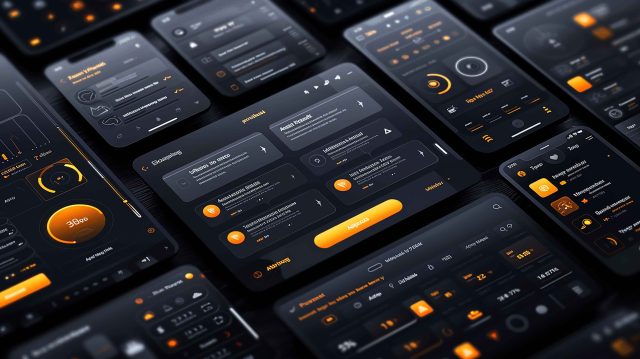
  • Dark Mode: A sleek, eye-friendly alternative to light designs.
  • Micro interactions: Small animations that add personality and guide user actions.
  • Custom Illustrations: Unique graphics that set your brand apart.
  • Bold Typography: Large, eye-catching fonts that deliver impact and style.

Tools & Platforms for Creating Websites

You don’t have to be a coding wizard to build a stunning website. Here are a few beginner-friendly platforms:

  • Wix: Drag-and-drop simplicity with powerful design options.
  • Squarespace: Sleek templates perfect for portfolios and small businesses.
  • WordPress: Highly customizable and ideal for blogs and content-heavy sites.
  • Webflow: A favorite among designers for its flexibility and control.

Best Practices for Website Design Success

  • Start with clear goals – Know what you want users to do.
  • Prioritize speed – Optimize images and code for fast loading.
  • Keep it accessible – Design for all users, including those with disabilities.
  • Test everything – Use A/B testing and analytics to refine your design.

Final Thoughts

Your website is more than just an online presence — it’s an experience. Investing in professional website design means investing in your brand’s success. Whether you DIY or hire a pro, make sure your design speaks clearly, performs smoothly, and reflects who you are.

Post a Comment

Previous Post Next Post