Web & App Design: Crafting Exceptional Digital Experiences in 2025
In today’s hyper-digital world, web and app design isn't just about aesthetics — it's about creating seamless, intuitive, and delightful experiences that connect brands with users. Whether you're building a sleek landing page, a mobile-first application, or a complete SaaS platform, effective design plays a central role in user engagement and success.
What is Web & App Design?
Web design focuses on designing websites for desktops, tablets, and mobile browsers, while app design targets mobile applications specifically developed for iOS, Android, or cross-platform frameworks.
While the platforms differ, the core principles of design—usability, accessibility, responsiveness, and visual storytelling—are shared across both disciplines.
Why Good Design Matters
- First Impressions Count: Users form opinions within milliseconds. A modern, clean design builds trust and credibility.
- User Experience (UX): A thoughtful UX design reduces friction, improves satisfaction, and keeps users coming back.
- Conversion-Focused: Smart layouts and CTA placements increase engagement and sales.
- Brand Identity: Design is a visual representation of your brand. Consistent visuals enhance brand recognition.
Key Elements of Web & App Design
1. User Interface (UI) Design
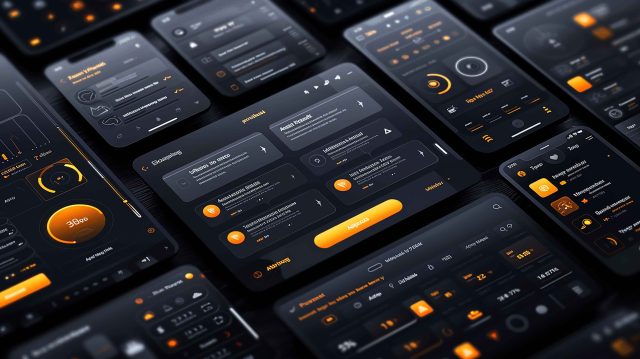
The UI is all about how the digital product looks—colors, typography, buttons, icons, and spacing. The goal is to be both visually appealing and functional.
2. User Experience (UX) Design
UX defines how the user interacts with the product. This includes:
-
Easy navigation
-
Clear information architecture
-
Fast load times
-
Mobile responsiveness
3. Responsiveness & Accessibility
With users accessing content on a wide range of devices, responsive design ensures your product looks and works well everywhere. Accessibility (such as screen reader support and proper color contrast) ensures inclusivity.
4. Micro interactions & Animations
Subtle animations enhance usability by providing feedback (e.g. loading spinners, hover effects) and making the experience feel more intuitive and interactive.
Latest Trends in Web & App Design (2025)
- Dark Mode & Adaptive Color Schemes
- Neomorphism and Glass morphism
- Voice User Interfaces (VUIs)
- AI-Powered Personalization
- Minimalist and Clean Layouts
- Gesture-based Navigation for Mobile Apps
Tools Designers Use
- Figma: Industry-leading for UI/UX collaboration.
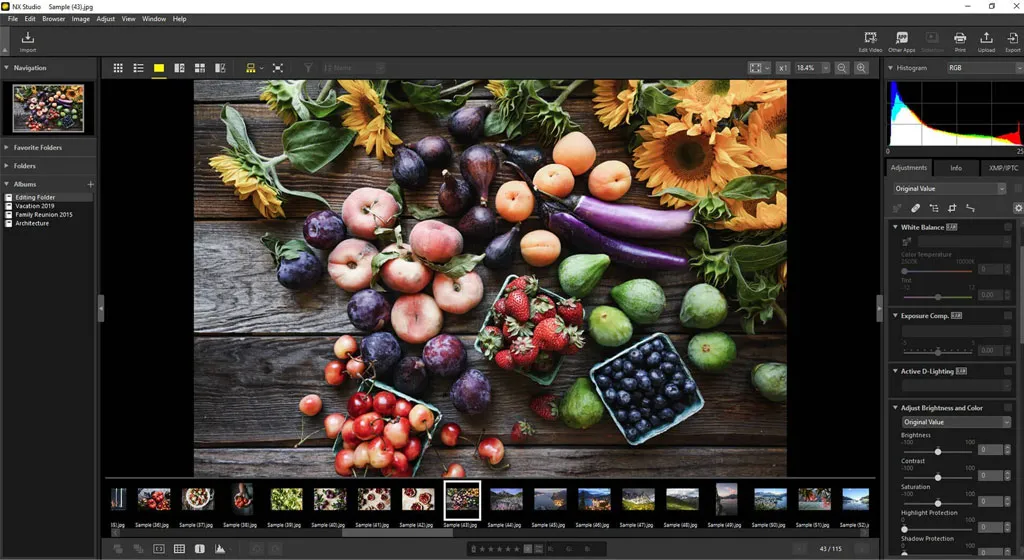
- Adobe XD: Great for prototyping and wireframing.
- Sketch: Popular among macOS users.
- Web flow: Design + development in one platform.
- Flutter: For designing and developing cross-platform mobile apps.
Best Practices
- Start with user research.
- Create wireframes before designing final visuals.
- Focus on mobile-first design.
- Use consistent design systems and components.
- Always test with real users.
Conclusion
Web and app design is more than creating beautiful interfaces—it's about building experiences that solve problems and deliver value. As technology evolves, so must our approach to design. Staying updated with trends, tools, and user behavior is key to crafting winning digital products.
Whether you're a designer, developer, entrepreneur, or digital agency—understanding the principles of web and app design is your foundation to success in the digital space.