Logo Design

The Art of Logo Design: Crafting Visual Identities That Last


In a digital-first world, where attention spans are shorter than ever, your brand’s first impression often comes from its logo. But what makes a logo not just good—but iconic? Let’s dive into the art, strategy, and psychology behind effective logo design.

What Is Logo Design?

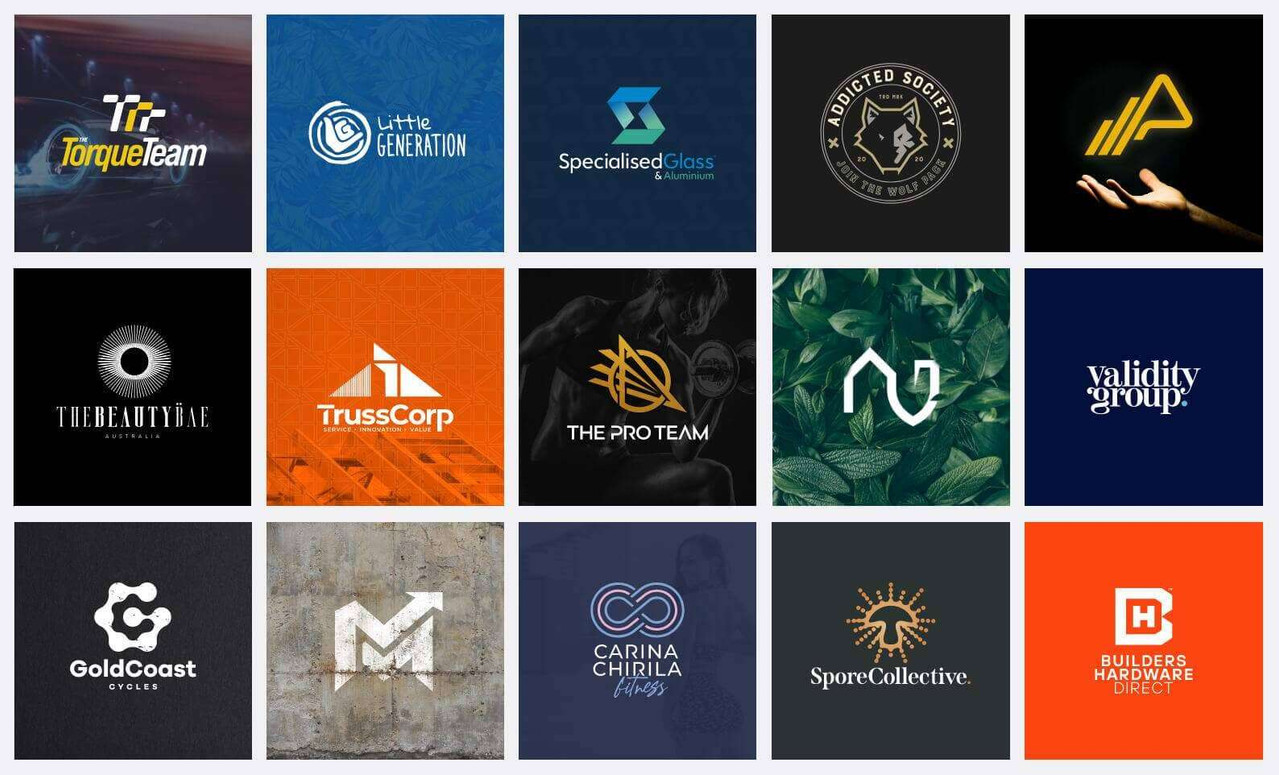
Logo design is the process of creating a visual symbol that represents a brand, product, or organization. It’s more than just a pretty image—it's a powerful identity tool that communicates your values, style, and purpose at a glance.

A well-designed logo is:

  • Memorableeasy to recognize and recall
  • Timelessstill relevant years down the line
  • Versatileworks across mediums and sizes
  • Appropriatesuits the brand’s tone and audience

Types of Logos

There are several types of logos, each with unique strengths:

Wordmarks (e.g., Google, Coca-Cola)
Focus on typography and brand name

Letter marks (e.g., IBM, CNN)
Abbreviations or initials

Pictorial marks (e.g., Apple, Twitter)
Icon or graphic-based logos

Abstract marks (e.g., Nike swoosh, Pepsi)
Geometric forms that convey meaning

Combination marks (e.g., Adidas, Lacoste)
Icon plus text

Emblems (e.g., Starbucks, Harley-Davidson)
Text inside a symbol or badge

The Logo Design Process

A professional logo doesn’t just appear—it’s the result of a strategic design process:

1. Research & Discovery

Understand the brand, its goals, audience, competitors, and industry trends.

2. Concept Development

Sketch ideas and explore different visual directions.

3. Design & Refinement

Create digital mockups, experiment with color palettes, typography, and layout.

4. Feedback & Revisions

Share with stakeholders, gather input, and refine the design.

5. Delivery & Guidelines

Provide logo files in various formats along with usage rules to maintain consistency.

Trends in Logo Design (2025 Edition)

  • Minimalism & Negative Space: Clean, clever, and functional.
  • Custom Fonts & Hand-Drawn Elements: Add personality and uniqueness.
  • Gradient & Duotone Effects: Bring depth and modern appeal.
  • Responsive Logos: Adaptable for mobile, apps, and small-scale usage.
  • Timeless Geometry: Circles, lines, and symmetry remain strong.

Why a Good Logo Matters

  • Builds Brand Recognition
  • Instills Trust & Professionalism
  • Differentiates from Competitors
  • Drives Emotional Connection

Final Thoughts

Logo design isn’t just graphic art—it’s strategic storytelling. A strong logo becomes the face of your brand, inspiring loyalty and recognition for years to come. Whether you’re a startup, freelancer, or established brand, investing in great logo design is investing in your future identity.

Post a Comment

Previous Post Next Post