Logo Design vs Branding

Logo Design vs Branding

Many businesses assume their logo is their brand. While your logo is certainly important, it's only one piece of the bigger picture. Understanding the distinction between logo design and branding can make or break how your business is perceived in the market.

What Is a Logo?

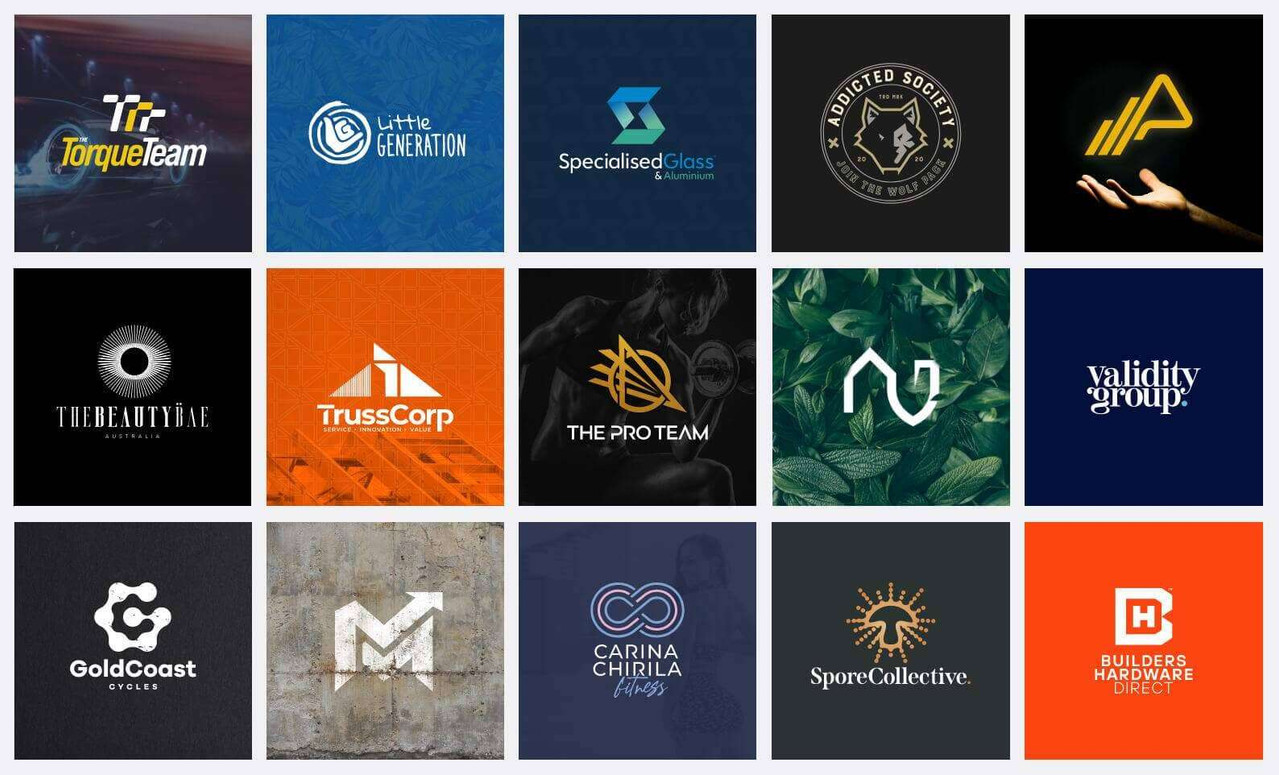
A logo is a visual mark, emblem, or symbol that identifies your business. It’s a quick, recognizable representation of who you are. Whether it's a simple wordmark or an abstract icon, your logo should:

  • Be memorable
  • Reflect your industry or values
  • Work across various platforms and sizes

Famous examples include the Nike Swoosh, Apple’s bitten apple, or the McDonald’s golden arches. A strong logo is a foundational visual asset—but it doesn't tell your full story.

A great logo can spark recognition and set the tone for your visual identity, but it should always be backed by a solid brand strategy. Without that foundation, a logo is simply a design—not a connection.

What Is Branding?

Branding is the comprehensive strategy behind your business identity. It’s how you communicate your values, personality, and promise to your audience. Branding goes far beyond visuals and includes:

  • Brand voice and tone
  • Customer experience
  • Core values and mission
  • Storytelling
  • Typography, color palette, imagery
  • Messaging and positioning
  • Emotional resonance

Branding is what turns casual buyers into loyal advocates. It’s the reason people choose Apple over a competitor, or why someone drives across town to visit their favorite coffee shop. Branding builds trust, communicates values, and creates a cohesive presence across every customer interaction.

Key Differences Between Logo Design and Branding

Feature Logo Design Branding
  • Purpose
  • Visual identification
  • Emotional and strategic connection
  • Scope
  • A single design asset
  • Full experience, story, and message
  • Deliverables
  • Icon, symbol, wordmark
  • Voice, tone, visuals, customer journey
  • Longevity
  • May evolve with trends
  • Built for long-term recognition
  • Value to Business
  • Recognition
  • Loyalty, perception, growth

Why the Difference Matters

When businesses confuse a logo with a brand, they risk creating inconsistent messaging, underwhelming user experiences, and a weak emotional connection with their audience. By investing in branding first, businesses can create:

  • A consistent and professional brand identity
  • Clearer communication across all touchpoints
  • Increased customer trust and loyalty
  • Stronger market positioning
  • A recognizable and relatable brand story

Consider this: A powerful logo can grab attention, but effective branding keeps it. Customers remember how your brand made them feel—not just how it looked.

Branding Tips for Small Business Owners

  1. Start with strategy. Define your mission, vision, and audience.
  2. Develop a consistent voice. Align all messaging with your brand personality.
  3. Create a brand style guide. Include logo use, color palette, fonts, and imagery.
  4. Think beyond the logo. Consider packaging, tone of voice, customer support, and more.
  5. Gather feedback. Use surveys or reviews to understand how your brand is perceived.
  6. Be consistent. Make sure every aspect of your business aligns with your brand values.

When to Hire a Logo Designer vs. a Branding Expert

  • Hire a logo designer when you need a visual symbol for an existing brand. This could be a refresh or a completely new design based on established guidelines.
  • Hire a branding expert when you're starting from scratch, rebranding your business identity, or need help defining your market position and communication strategy.

Collaborating with both a branding expert and a logo designer ensures your visual identity matches your strategic goals—creating a complete and compelling brand experience.

Real-World Example: The Power of Branding Over Just a Logo

Take Airbnb as an example. Their logo is clean, recognizable, and effective. But it’s their branding—the sense of belonging, the emotional storytelling, the consistent tone of voice—that has transformed them from a tech startup into a global hospitality brand.

Final Thoughts

A logo is a powerful visual tool, but it’s not your entire brand. Understanding and investing in full-scale branding ensures your business leaves a lasting, authentic impression.

Need help building your brand identity? Get in touch for a consultation or download our free brand checklist to get started.

Post a Comment

Previous Post Next Post