Exploring Creativity and Innovation in Visual Expression
Art and illustration have been essential forms of human expression for centuries, evolving alongside cultural, social, and technological developments. From ancient cave paintings to contemporary digital art, this field has shaped how we communicate, tell stories, and explore new ideas. Today, art and illustration play a crucial role in various industries, including advertising, entertainment, publishing, and design. Let’s dive deeper into this creative world, examining its significance, evolution, and impact on modern culture.
The Evolution of Art & Illustration
The history of art and illustration is as old as humanity itself. Early cave paintings, found in places like Lascaux, France, marked the beginning of human visual expression. These initial illustrations were often symbolic, representing animals and hunting scenes that reflected the everyday lives and beliefs of the people.
As societies advanced, so did art and illustration techniques. Ancient civilizations like the Egyptians, Greeks, and Romans produced illustrations that were deeply integrated with their religions, politics, and daily life. In medieval Europe, illuminated manuscripts showcased the blending of artistic skill with religious texts.
The Renaissance period brought an explosion of creativity, where renowned artists such as Leonardo da Vinci, Michelangelo, and Raphael merged science, anatomy, and perspective with their illustrations, transforming the way we perceive the world. Illustrations during this period were often used to depict scientific discoveries and human emotions, laying the groundwork for future artistic movements.
By the time of the 18th and 19th centuries, with the advent of printing presses and mass communication, illustrations became more widespread and accessible. Artists like Gustave Doré and James Whistler helped to solidify the role of illustration in literature and visual storytelling.
The Role of Art & Illustration Today
In today’s digital age, the scope of art and illustration has expanded significantly. From book covers to advertisements and social media posts, illustrations have become a primary means of communication, offering an alternative to traditional photography. Artists use both traditional and digital mediums to create illustrations that evoke emotion, inform, and entertain.
1. Digital Illustration:
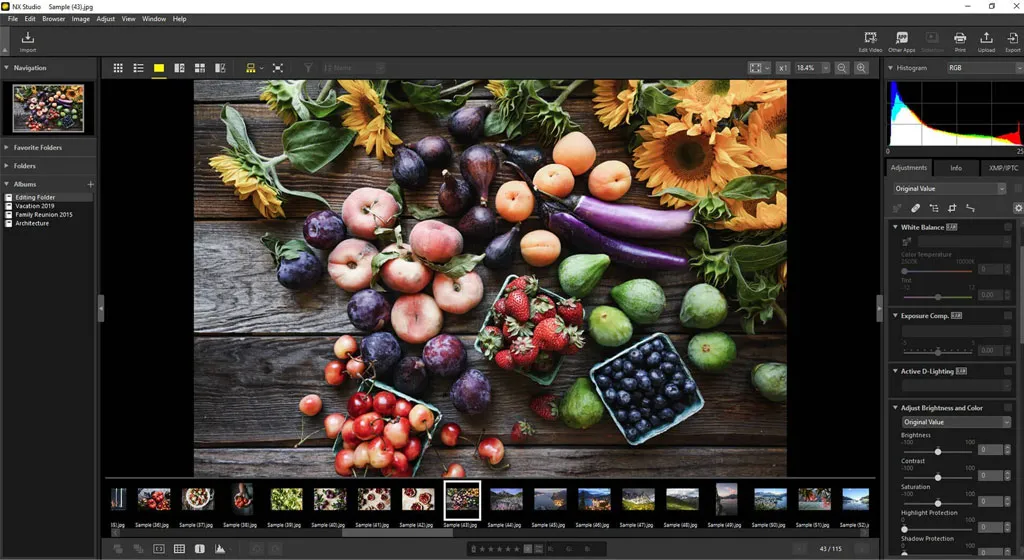
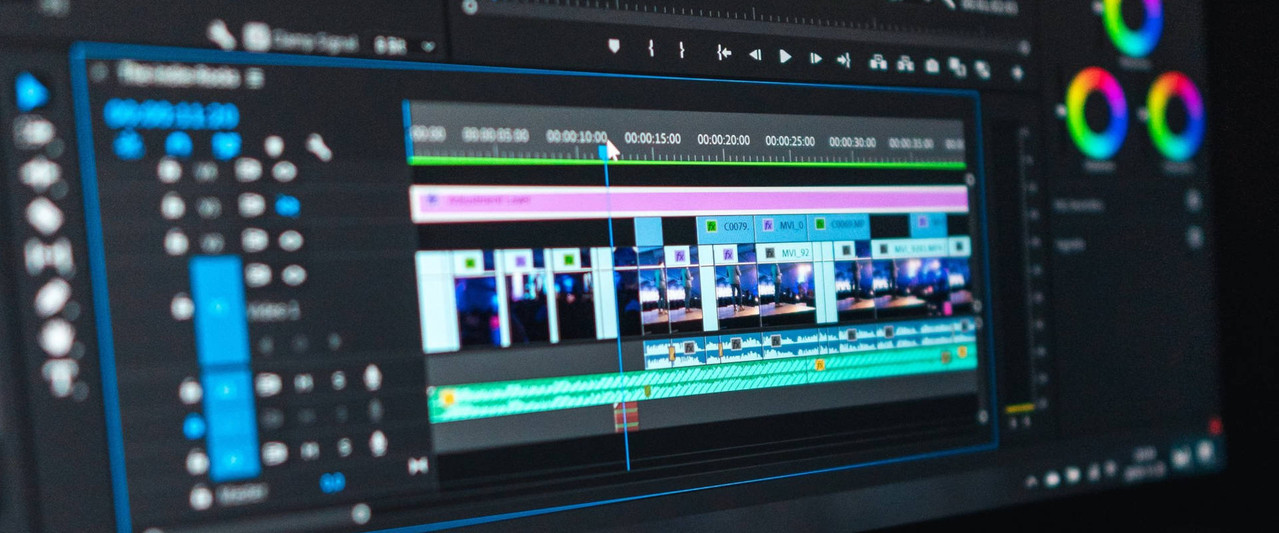
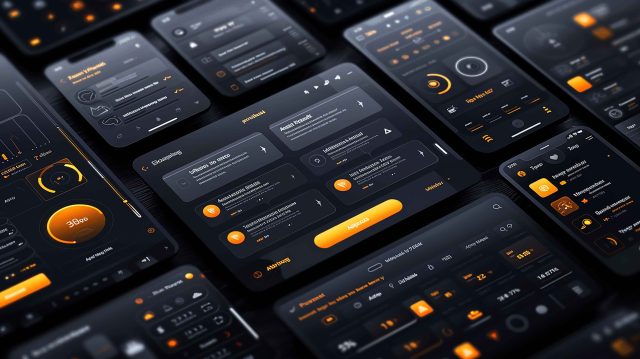
With the rise of technology, digital tools like Adobe Illustrator, Procreate, and Photoshop have transformed how artists create their work. These tools offer endless possibilities, allowing for precision, flexibility, and the ability to experiment with color, texture, and design without limitations.
Digital illustrations are widely used in various industries, such as:
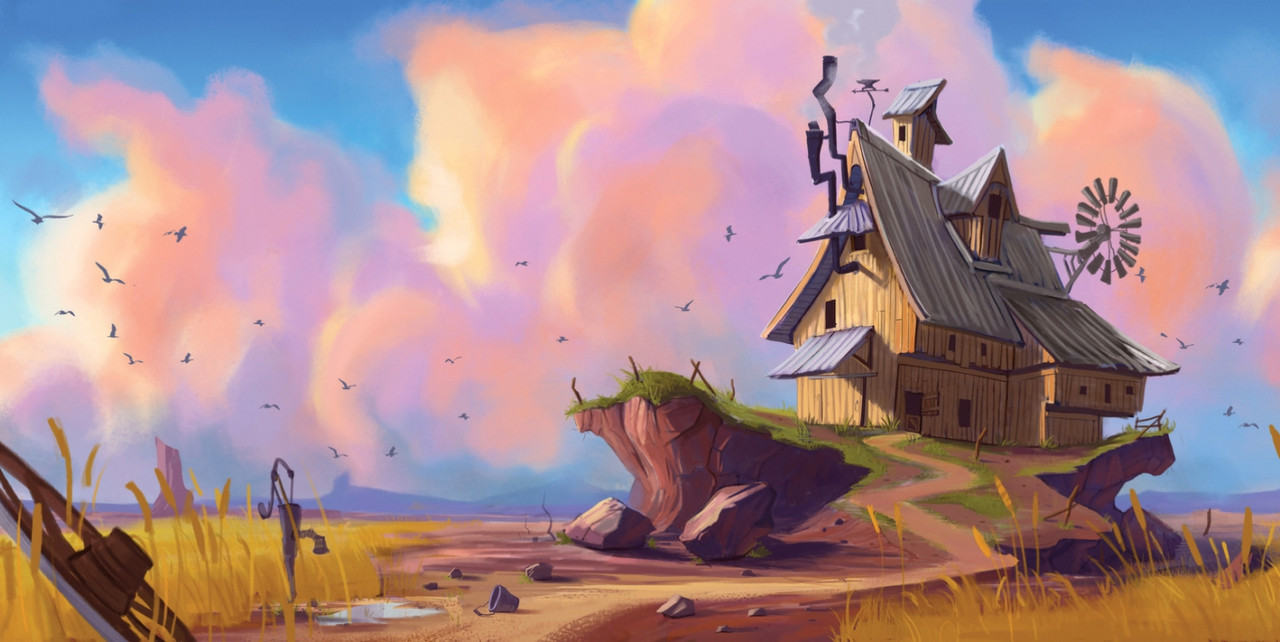
- Gaming: Game designers use illustrations to create characters, landscapes, and scenes that immerse players in fantastical worlds.
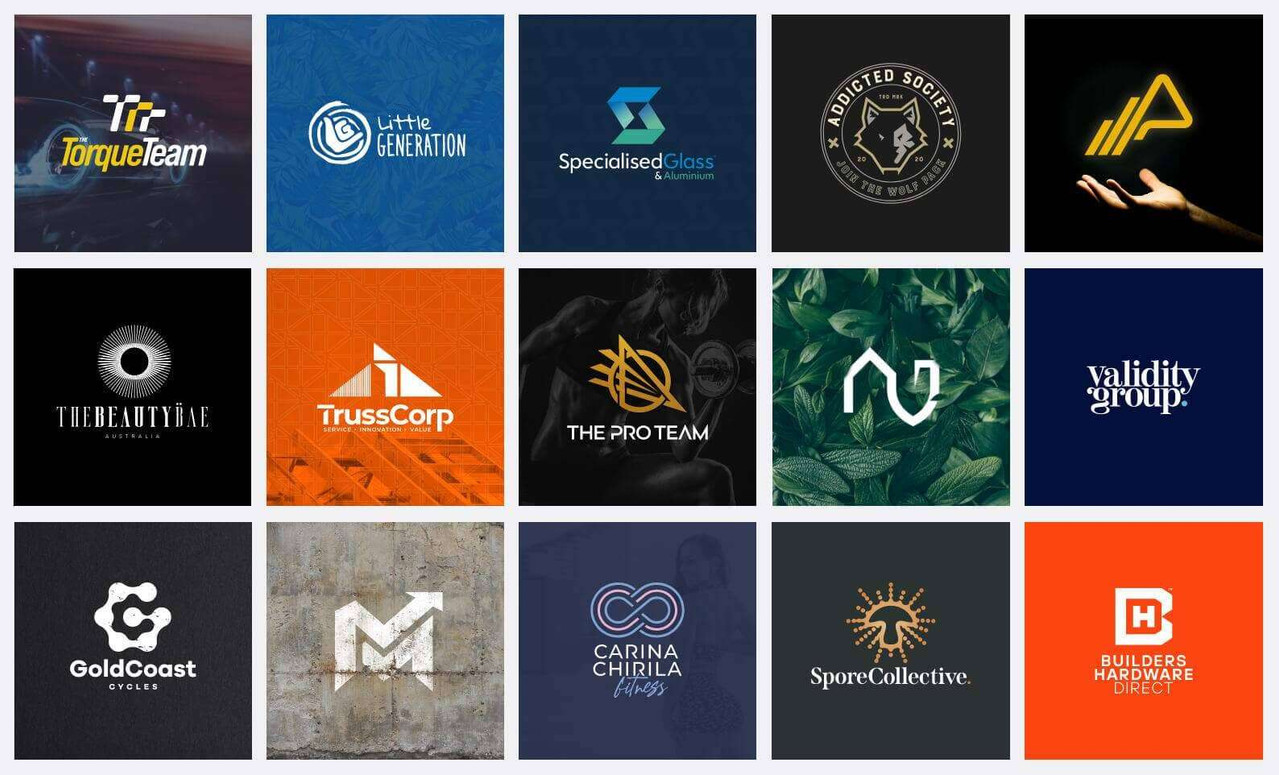
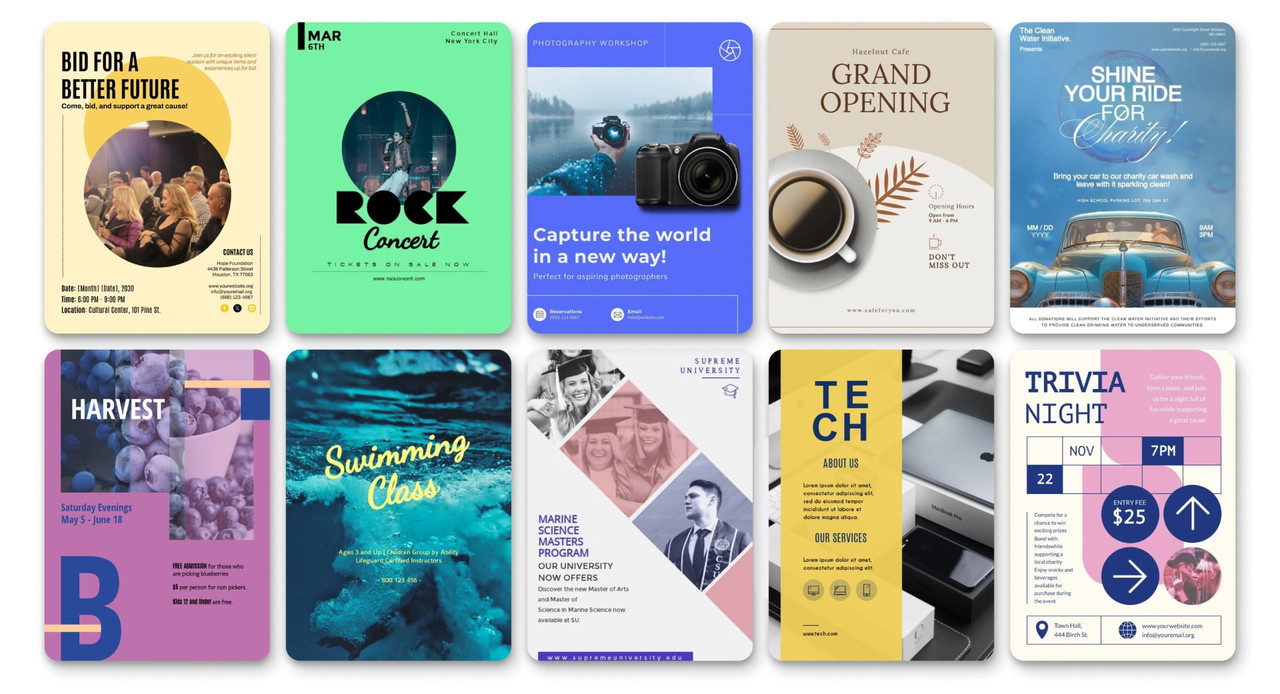
- Advertising: Illustrations help brands craft unique, eye-catching visuals that resonate with their audience, differentiating their products in a competitive market.
- Children’s Books: Illustrations bring stories to life, making them more engaging and easier for young readers to understand.
- Social Media: Influencers and brands use eye-catching illustrations to enhance their visual content, standing out on crowded platforms like Instagram and Pinterest.
2. Traditional Illustration:
Despite the rise of digital art, traditional illustration methods, such as watercolor, ink, and pencil, continue to thrive. Artists who work with traditional mediums often embrace imperfections, textures, and organic shapes that are harder to replicate in digital formats. Traditional illustrations are frequently used in fine art galleries, fashion, and even animated films.
3. Mixed Media and Experimental Illustration:
Another exciting trend is the use of mixed media and experimental illustration. Artists are combining different materials and techniques, from collage to 3D printing, to create more dynamic, textured pieces. This approach blurs the boundaries between different art forms, resulting in innovative visual expressions.
Art & Illustration in Contemporary Culture
In the contemporary world, art and illustration are more accessible than ever. Thanks to platforms like Instagram, Be hance, and DeviantArt, artists can share their work with a global audience. Social media has democratized the art world, allowing new voices and styles to emerge while fostering communities that support and promote unique artists.
Illustration also plays a pivotal role in influencing culture. For instance, graphic novels, webcomics, and animated series have introduced illustration as a dominant form of storytelling in mainstream media. The rise of influencers in fashion, gaming, and pop culture has brought attention to illustrators, with brands and creators commissioning original artwork to establish their identities and strengthen their digital presence.
Additionally, art and illustration can serve as a vehicle for activism. Through illustration, artists have the power to comment on social, political, and environmental issues, giving voice to marginalized communities and sparking conversations that lead to change. Illustrations can be a powerful tool for advocacy, providing a more visual and approachable way to engage with difficult subjects.
The Future of Art & Illustration
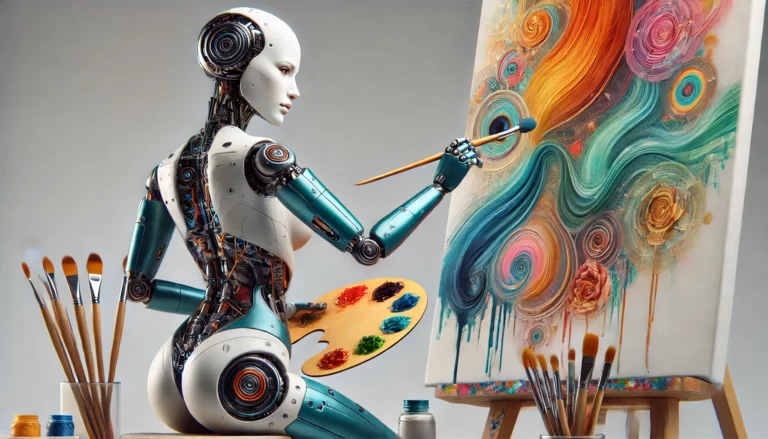
As technology continues to evolve, the future of art and illustration looks promising. Virtual and augmented reality are already influencing how artists create and share their work. Digital tools are becoming even more advanced, allowing for more lifelike textures, immersive experiences, and interactive designs. As AI-generated art also enters the scene, it will be fascinating to see how human creativity and machine learning can collaborate to create groundbreaking illustrations.
Moreover, sustainability and eco-consciousness are becoming key topics within the art world. Artists are exploring new ways to create sustainable art using eco-friendly materials and methods that have a minimal impact on the environment. This focus on sustainability is shaping the future of illustration, as artists respond to global concerns about climate change.
Conclusion
Art and illustration have come a long way from their humble beginnings. Today, they are powerful tools for storytelling, marketing, self-expression, and social change. Whether traditional or digital, illustration allows artists to push the boundaries of creativity, producing works that resonate across different cultures and industries. As technology and global culture continue to evolve, the possibilities for art and illustration are limitless, offering endless opportunities for innovation, collaboration, and inspiration.