The Rise of AI Artists: Redefining Creativity in the Digital Age
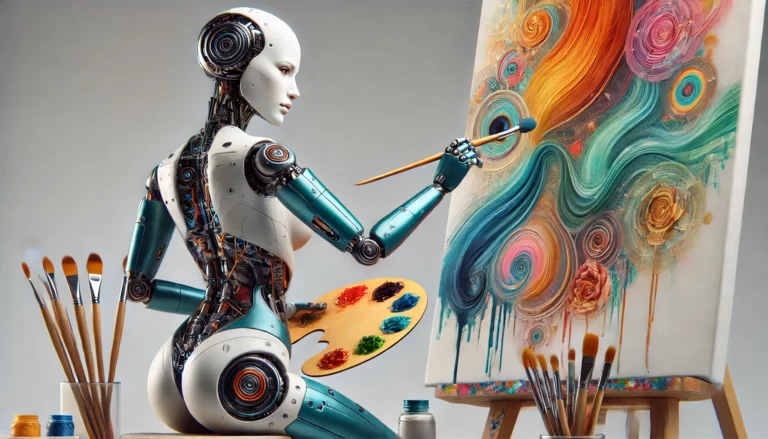
Once a sci-fi fantasy, artificial intelligence is now painting portraits, composing symphonies, and creating digital masterpieces. The rise of AI artists—algorithms trained to mimic human creativity—has sparked excitement, debate, and even existential questions about the nature of art itself.
But what exactly are AI artists, and how are they transforming the creative world?
What Is an AI Artist?
AI artists are systems—often based on machine learning and neural networks—that generate original artwork. These systems are trained on vast datasets of images, videos, sounds, or texts, learning to mimic patterns, styles, and compositions.
Some well-known tools and platforms used by AI artists include:
- DALL·E and Midjourney (for image generation)
- Runway ML (for video and animation)
- Amper Music and AIVA (for composing music)
- ChatGPT and Sudowrite (for creative writing)
Rather than simply copying, these models "learn" how art is structured and can produce new, often surprising interpretations.
The Collaboration Between Human and Machine
While AI can generate art independently, most successful projects involve a collaboration between human and machine. Artists use prompts, tweak parameters, and refine outputs to guide the AI, much like a painter choosing colors or a photographer framing a shot.
This co-creation has given birth to a new artistic identity: the AI-assisted artist, where creativity lies not just in producing the final piece, but in shaping the process.
Art or Algorithm?
One of the biggest debates surrounding AI art is whether it's "real" art. Can a machine truly create with intention or emotion? Critics argue that AI lacks soul, context, and consciousness. Supporters, however, see AI as an extension of human creativity—a new brush in the digital toolkit.
Art has always evolved with technology. From the camera obscura to Photoshop, every innovation has challenged what we define as art. AI is simply the next evolution.
Notable AI Art Moments
- Portrait of Edmond de Belamy (2018): An AI-generated portrait sold at Christie’s for $432,500, putting AI art on the map.
- "The Next Rembrandt": A 3D-printed painting created by an AI trained on Rembrandt's works, showcasing how machines can recreate classical styles.
- Grimes and AI Music: The artist Grimes released AI-generated music, embracing a future where sound is shaped by algorithms.
The Future of AI in Art
As AI tools become more sophisticated, the boundaries between artist and machine will continue to blur. We'll see AI not just as a tool, but as a collaborator, muse, and maybe even competitor.
However, ethical concerns—like copyright, originality, and job displacement—must also be addressed. Who owns AI-generated work? How do we credit the creators behind the code?
Final Thoughts
AI artists are here to stay, and whether you're fascinated or fearful, one thing is clear: we're entering a new era of creativity. The canvas has changed, but the questions remain timeless—what is art, and who gets to make it?